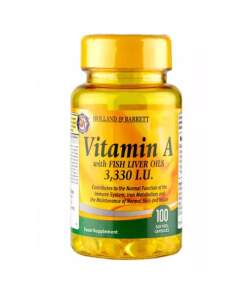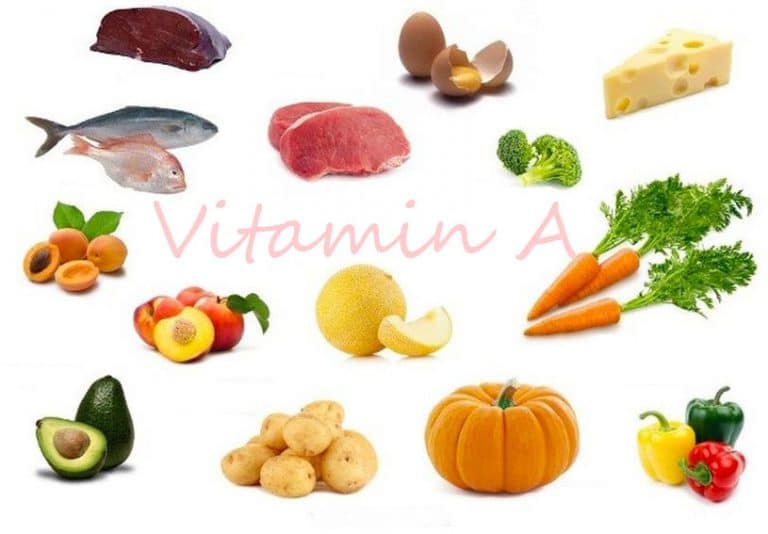




Vitamin A is an essential nutrient that plays a significant role in our body’s health and function. However, it is also a somewhat misunderstood nutrient, with many of us unaware of its crucial role. This nutrient influences a variety of bodily functions, and its deficiency can have significant consequences for our well-being. One of the challenges is that many people do not get enough vitamin A through their diets. This is due to several factors, including dietary changes and the availability of our food sources. Our modern diets can sometimes lack the necessary amounts of this essential nutrient, which can lead to vitamin A deficiency. Another complicating factor is how our bodies process vitamin A. Vitamin A is found in different forms in foods and supplements, and our bodies need to convert it from the inactive form to the active form before it can be used effectively. This conversion process varies from person to person and can be influenced by various factors such as genetics and health status. All of this raises the important question: Are you getting enough vitamin A? It is crucial to understand the importance of vitamin A and take steps to ensure that you are getting enough through your diet or supplements. Having adequate levels of vitamin A can help support healthy body function and prevent potential deficiency conditions that can affect your well-being.